


If you sell wholesale through WooCommerce, you already know the old playbook. cold calls, trade shows, hoping for referrals isn’t enough on its own anymore. Buyers research online before they ever contact a rep, and the businesses that win their attention early tend to win the order too.
You don’t need a large budget or a dedicated marketing team to compete. You need a short list of proven tactics, adapted to a wholesale store rather than a generic B2C shop.
Below are 11 B2B marketing examples from companies that do this well — Mailchimp, HubSpot, Semrush, Alibaba, Canva, Zoho, Slack, Dropbox, Salesforce, and Whols — along with a practical, WooCommerce-specific way to apply each one.
Table of Contents
Key Takeaways
- 11 proven B2B marketing tactics, each with a step-by-step way to apply it in WooCommerce
- Email marketing remains one of the highest-ROI channels available — Litmus puts average returns at roughly $36 for every $1 spent
- LinkedIn is responsible for about 80% of B2B leads that come from social media, according to LinkedIn’s own marketing data
- Most of these tactics run on tools and plugins you can add to an existing WooCommerce store, no rebuild required
- Start with 2–3 tactics you can realistically maintain, then expand once they’re working
- B2B sales cycles are longer than B2C, so give each tactic a full quarter before judging results
What is B2B Marketing?
B2B marketing is the process of promoting products or services to other businesses, rather than to individual consumers. It runs on different logic than consumer marketing.
Here’s a simple way to see the difference: when a shoe brand sells directly to a shopper, that’s B2C (business-to-consumer) marketing. When the same brand sells a bulk order to a retail chain, that’s B2B.
B2B marketing leans on logic, ROI, and long-term relationships. B2C marketing leans more on emotion and instant gratification. A few things make B2B distinct:
- Longer decision cycles. B2B purchases usually involve more than one stakeholder, and the buying process commonly stretches across several months rather than happening in a single visit.
- Buyers want proof, not just promises. Business buyers need to justify the purchase internally. They respond better to data, case studies, and clear value propositions than to emotional appeals.
- Relationships outlast the transaction. B2B is rarely a one-time sale; it’s the start of a repeat-order relationship, so trust matters more than a single conversion.
- Order values are typically higher. Because purchases are made in volume, the average B2B order is worth substantially more than a typical consumer purchase, which is exactly why buyers research more carefully before committing.
- Content does a lot of the selling before sales even gets involved. Buyers commonly review multiple pieces of content — guides, comparisons, case studies- before they reach out. Marketing that only promotes and doesn’t educate tends to get skipped.
Why B2B Marketing Looks Different in 2026
Digital channels now dominate the B2B buying journey, and most buyers complete a large share of their research before a salesperson ever gets involved.
Why B2B Marketing Is Unique
- Longer sales cycles: Expect multiple touchpoints before a close, not a single visit
- Multiple stakeholders: Several people typically weigh in before a B2B purchase is approved
- ROI-focused messaging: Logic and numbers outperform emotional appeals
- Relationships over transactions: Repeat-order value matters more than a single sale
How to Use These Examples
- Start small. Pick 2–3 strategies that match your team’s size and bandwidth — you don’t need to copy a company with a 50-person marketing team.
- Adapt, don’t copy. A tactic that works for a SaaS company like HubSpot may need adjusting for a physical-goods wholesale store.
- Use what you already have. Several of these tactics run on WooCommerce plugins you may already own or can add cheaply.
- Track what you launch. Monitor leads, quote requests, and reorders so you know what’s actually working, not just what feels productive.
10 B2B Marketing Examples That Actually Work
1. Exclusive B2B Pricing Portals – WHOLS Plugin
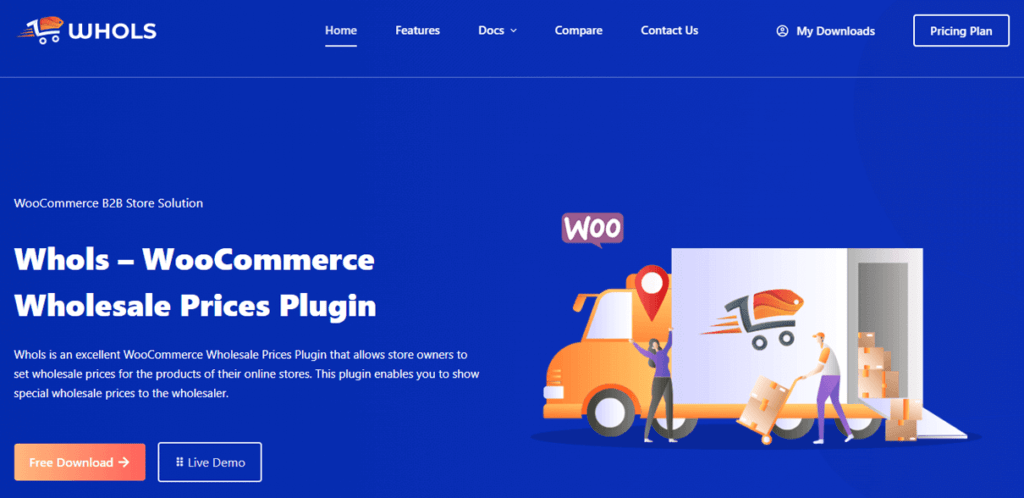
Several of the tactics above — tiered pricing, gated wholesale access, exclusive B2B pricing — depend on a store being able to show different prices and content to different customer types. That’s the specific problem the Whols WooCommerce Wholesale Prices plugin is built to solve, so it’s worth including as its own example rather than a footnote.
What Makes It Work:
- Hiding prices from guests until they register creates a reason to sign up, rather than just asking for an email address with nothing in return
- Role-based pricing lets you show different offers to different buyer types automatically, instead of managing separate price lists by hand
- Visible bulk-discount tables let buyers see their savings before they ask, the same transparency principle Alibaba uses
WooCommerce Implementation: With Whols, you can:
- Create wholesale user roles (for example, Bronze, Silver, Gold) and set a discount for each
- Apply pricing at the category or individual product level
- Add bulk-pricing tables directly to product pages
- Turn on “Request a Quote” for large or custom orders that don’t fit a standard price tier
2. Email Marketing Campaigns – Mailchimp
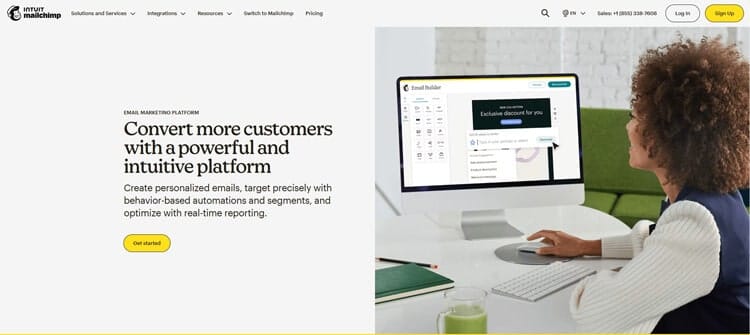
Mailchimp transformed from a simple email tool to a marketing powerhouse. Their B2B email strategy is brilliant in its simplicity.
They segment business users by industry, size, and behavior. Each segment receives tailored content. A retail business gets e-commerce tips. A SaaS company receives subscriber retention strategies.
What Makes It Work:
- Automated nurture sequences guide buyers through the journey
- Behavioral triggers send relevant content at the right time
- Plain-text emails often outperform fancy designs
WooCommerce Implementation: Install an email automation plugin (MailPoet, FluentCRM, or similar) and start with three sequences:
- A welcome series for new wholesale account inquiries
- Reorder reminders based on a customer’s past purchase pattern
- Follow-ups for quotes that were requested but never completed
Why this matters: Email remains one of the highest-ROI marketing channels available — Litmus’s ongoing marketer surveys put average returns at roughly $36 for every $1 spent. You don’t need a large list to see the benefit; you need relevant, well-timed sends.
3. LinkedIn Content & Networking – HubSpot
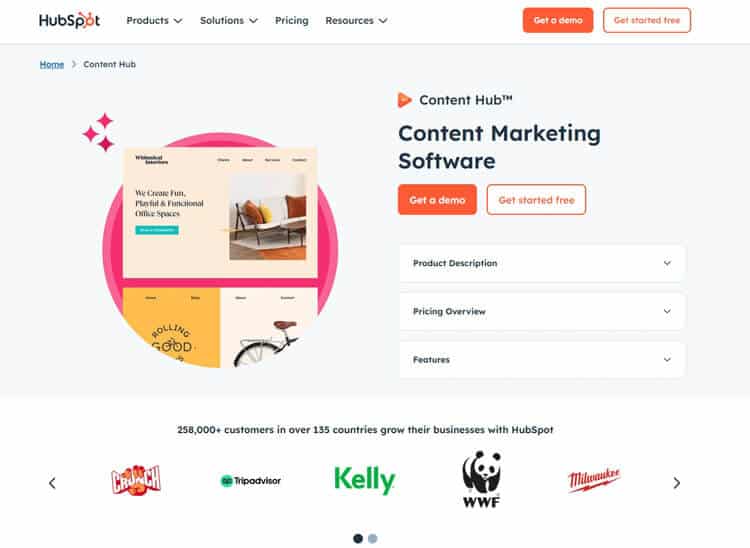
HubSpot posts on LinkedIn consistently, and the content isn’t just product promotion; it’s insight, data, and genuinely useful commentary. Employees also share company content under their own names, which extends reach further than a brand account alone can.
What Makes It Work:
- Thought leadership content positions them as experts
- Employee advocacy extends organic reach without ad spend
- Consistency compounds — sporadic posting rarely builds an audience
WooCommerce Implementation: Post a couple of times a week about topics your wholesale buyers actually care about — sourcing tips, industry trends, how you handle bulk orders. A simple two-post weekly rhythm (one insight, one customer or product highlight) is enough to start building recognition.
Why this matters: LinkedIn is responsible for roughly 80% of B2B leads that come from social media, according to LinkedIn’s own marketing data, making it disproportionately effective compared to other social platforms for reaching business buyers.
4. Educational Content Marketing – Semrush
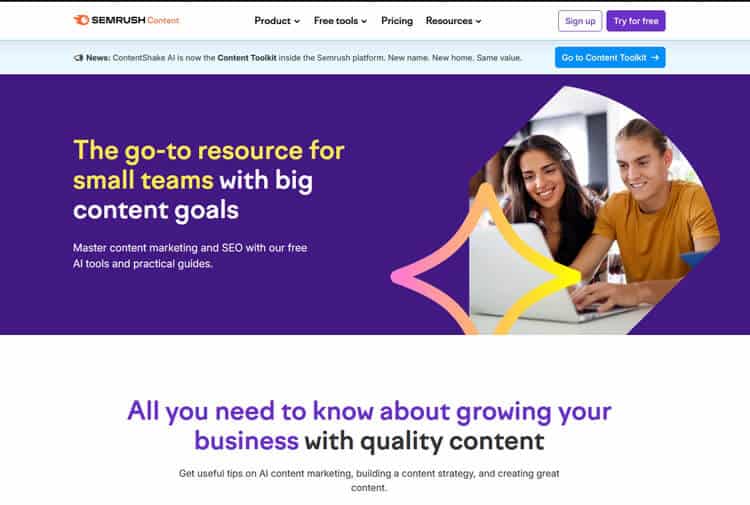
Semrush built much of its audience through content that teaches rather than sells. Its blog and guides solve real, specific problems, often backed by the company’s own product data, which is part of why readers trust it.
What Makes It Work:
- In-depth, specific guides build authority in a way generic posts don’t
- Content backed by real data stands out from opinion-only articles
- Strong educational content compounds through organic search over time
WooCommerce Implementation: Publish content that solves problems your wholesale buyers actually have, not generic “10 tips” filler. A few real examples:
- A guide to calculating wholesale ROI for a small retail buyer
- A practical bulk-buying guide for first-time B2B customers
- An inventory-planning resource for small retailers
Why this matters: Educational content is one of the few tactics that keeps working long after you publish it, it can keep bringing in search traffic and building trust for years, unlike a paid ad that stops the moment you stop paying.
5. Tiered Pricing Incentives – Alibaba
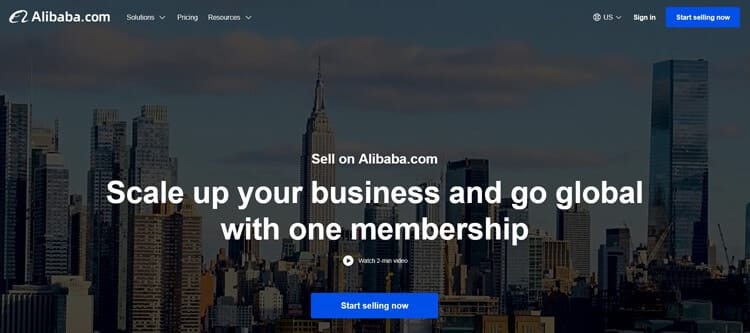
Alibaba built volume-based pricing into the core of its platform: buy more, save more, with the tiers shown transparently so buyers can see exactly what they’d save by increasing their order.
What Makes It Work:
- Clear, visible savings encourage buyers to size up their order
- Transparent pricing builds trust — buyers aren’t guessing what a bulk deal would cost
- Automated tier calculations remove friction from the buying decision
WooCommerce Implementation: Use a wholesale pricing plugin to set up simple, visible quantity tiers, for example:
- 10+ units → a modest discount
- 50+ units → a stronger discount
- 100+ units → your best rate
Display the savings directly on the product page, not buried in a PDF price list — buyers should see the incentive before they ask for it.
6. Targeted Social Ads – Canva
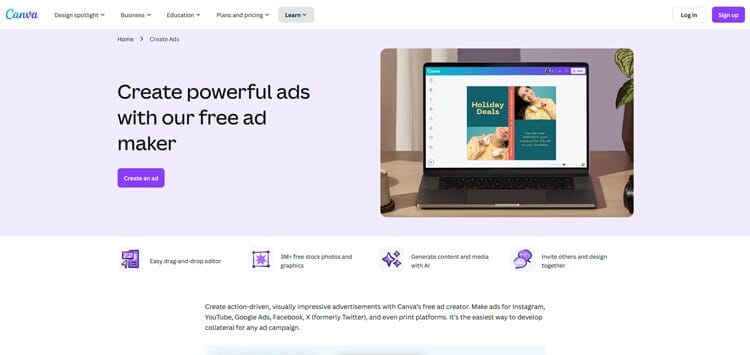
Canva runs different ad creative for business users than it does for consumers, team features, brand kits, and collaboration tools, not consumer templates.
Its B2B ads run on LinkedIn and in search results, targeted by job title and company size rather than broad demographics.
What Makes It Work:
- Business-focused creative resonates more with B2B buyers than consumer-style ads.
- Precise targeting (by role, industry, or company size) reduces wasted spend.
- Clear, specific calls to action outperform vague ones.
WooCommerce Implementation: If you test paid social, run LinkedIn ads promoting wholesale-only offers, targeted at buyers in your specific industry.
Start with a modest monthly budget and test two or three different messages before scaling spend; B2B ad costs add up quickly if you’re guessing at the message.
7. Free Resources & Lead Magnets – HubSpot
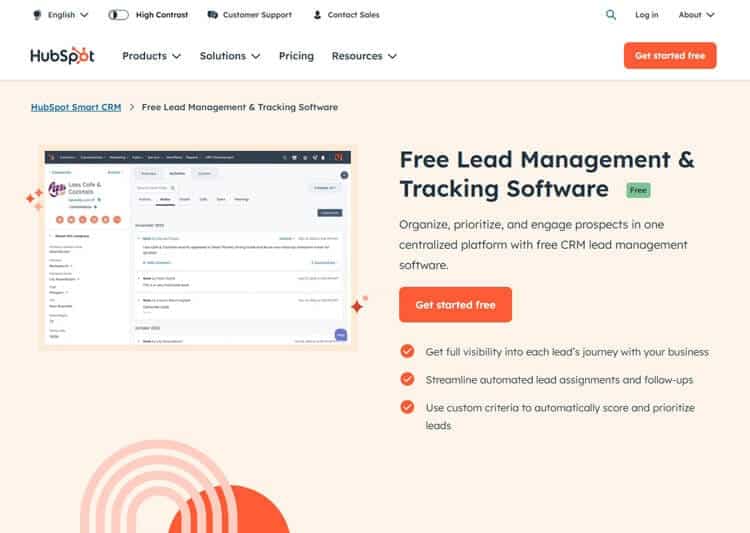
HubSpot gives away tools worth thousands. Their free CRM. Marketing templates. Industry reports. All free.
Why? The logic: Buyers who get real value from a free resource are more likely to trust the company enough to eventually pay for something.
What Makes It Work:
- High-value free resources attract buyers who are actually evaluating a purchase, not just browsing.
- Gated content (behind an email signup) builds a list of genuinely interested leads.
- Free tools create a habit of returning to your site.
WooCommerce Implementation: Create free resources for wholesale buyers:
- A reorder spreadsheet template.
- A downloadable product catalog with wholesale pricing.
- A simple inventory-planning calculator.
Gate these behind an email signup so you’re building your list at the same time.
8. Webinars & Product Demos – Zoho
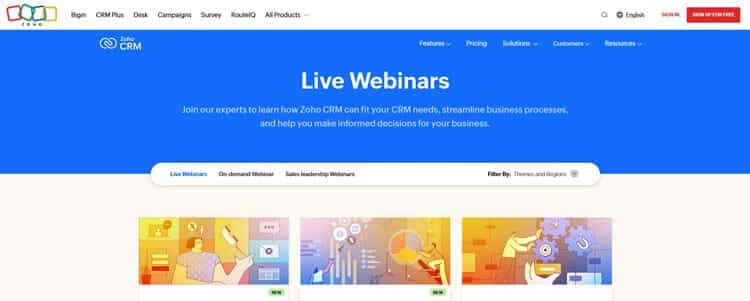
Zoho runs regular webinars tailored to different industries. Rather than a generic feature tour, they focus on real use cases, with live Q&A to handle objections on the spot.
What Makes It Work:
- Live interaction builds more trust than a pre-recorded demo
- Seeing the product in action (not just described) shortens the sales conversation
- Real-time Q&A removes hesitation before it becomes a lost sale
WooCommerce Implementation: Host monthly “Wholesale Buyer Sessions.” Show them:
- How to navigate your B2B portal
- Ways to maximize volume discounts
- New products before public launch
Use Zoom or Google Meet. Keep sessions under 30 minutes.
9. Customer Case Studies – Slack
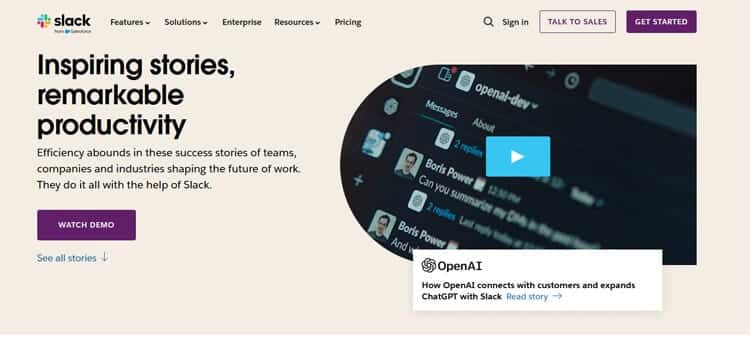
Slack’s case studies are stories, not sales pitches. They show how real companies transformed their communication.
Each case study follows a problem-solution-result format. Readers see themselves in these stories.
What Makes It Work:
- Real numbers provide proof
- Specific examples inspire action
- Customer quotes build credibility
WooCommerce Implementation: Feature wholesale client success stories. Include:
- Their business challenge
- How your products helped
- Specific results (percentage increases, time saved)
Add these to your wholesale landing page.
Expected Results: Case studies influence 90% of B2B purchase decisions. They build trust 2x faster than any other content.
10. B2B Referral Programs – Dropbox
Dropbox grew to $2 billion through referrals. Their B2B program rewards both parties. Simple but powerful.
Business customers who refer others get extra storage. New customers get discounts. Everyone wins.
What Makes It Work:
- Mutual benefits encourage participation
- Easy sharing mechanisms
- Automated tracking and rewards
WooCommerce Implementation: Create a wholesale referral program:
- Referrer gets 10% off next order
- New customer gets 15% off first order
- Use ReferralCandy or similar plugins
Promote it in every order confirmation email.
11. Multi-Channel Retargeting – Salesforce
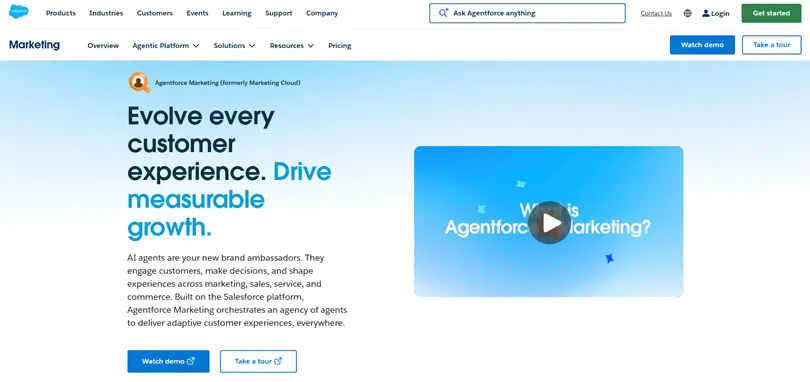
Salesforce follows B2B buyers everywhere. Visit their website? See LinkedIn ads. Read their blog? Get retargeted on Google.
They use different messages for different stages. Early visitors see educational content. Later visitors see demos and trials.
What Makes It Work:
- Multiple touchpoints increase recall
- Stage-appropriate messaging improves relevance
- Consistent branding builds familiarity
WooCommerce Implementation: Install Meta Pixel and Google Ads tags. Create retargeting campaigns for:
- People who started but didn’t complete a quote request
- People who downloaded your catalog
- People who visited your wholesale page but didn’t register
Use a different message for each group instead of one generic ad; a catalog downloader and a quote abandoner are at very different points in the decision.
Frequently Asked Questions
What is the most effective B2B marketing strategy?
There’s no single “most effective” tactic — it depends on your resources and audience. That said, email marketing consistently delivers among the highest ROI of any channel, and pairing it with LinkedIn content and solid educational content covers most of the buyer journey: LinkedIn builds awareness, content builds trust, and email closes and retains.
How is B2B marketing different from B2C?
B2B marketing focuses on logic, ROI, and long-term relationships, while B2C marketing leans more on emotion and impulse. B2B sales cycles are typically longer and involve more decision-makers, so content needs to educate rather than just promote.
What are some low-cost B2B marketing ideas for small businesses?
Start with organic LinkedIn content. Post twice weekly about industry insights. Create email sequences using free tools like MailerLite. Write helpful blog posts targeting wholesale buyer questions. Document customer success stories. These strategies cost time, not money. They’re perfect for small businesses building their B2B presence.
How do I implement B2B marketing in WooCommerce?
Most of it runs on plugins layered onto your existing store: a wholesale pricing plugin (like Whols) for tiered and role-based pricing, an email automation plugin for follow-ups, and standard ad pixels for retargeting. You rarely need to rebuild your store from scratch to add B2B features.
How long before I see B2B marketing results?
Give most tactics a full quarter before judging them — B2B sales cycles are longer than B2C, so early activity (email opens, LinkedIn engagement) often shows up weeks before it turns into actual orders. Track leading indicators monthly, but judge overall success quarterly.
Quick Start Checklist
Ready to implement these B2B marketing examples? Follow this checklist:
- Choose 2-3 strategies that fit your resources: Don’t overwhelm yourself.
- Set a specific 30-day goal for each one: For example, a set number of email subscribers or a set number of LinkedIn posts.
- Install the WooCommerce plugins you’ll actually need: Wholesale pricing, email automation, or ad pixels, only what the tactic requires.
- Launch your first campaign: Email and LinkedIn are usually the fastest to get moving.
- Track leads and conversions: Use Google Analytics and plugin reports.
- Scale what works after 30 days: Double down on what works after 30 days, and drop what isn’t moving the needle.
Remember, B2B marketing is a marathon, not a sprint. Consistency beats perfection every time.
Conclusion
These B2B marketing examples from industry leaders prove one thing. Strategic marketing drives real wholesale growth.
You don’t need their budgets. You need their principles. Focus on value. Build relationships. Solve real problems.
Start with email automation and LinkedIn content. These deliver the quickest wins for most businesses. Track your results. Scale what works. Keep testing new approaches.
B2B marketing in 2026 rewards businesses that educate, engage, and build trust. Use these examples as your roadmap. Adapt them to your unique situation. Success will follow.