


Email delivers up to 4,200% ROI for B2B companies, making it one of the most profitable channels for wholesale businesses. At the same time, around 90% of B2B buyers start their buying journey online, so email complements your wholesale portal, search visibility, and sales team outreach.
B2B wholesale email marketing strategies can transform one-time buyers into long-term, high-value retailer accounts when they are built around lifecycle, segmentation, and automation. Done right, email becomes the most reliable and predictable channel to grow wholesale revenue and repeat orders.
This guide will walk you through a step-by-step framework for building wholesale email campaigns that drive reorders, reduce time between purchases, and maximize account lifetime value, without constantly discounting your margins.
Key Takeaways
- Segment wholesale buyers by lifecycle and profile.
- Automate onboarding, reorders, and win-backs.
- Lead with education, not endless discounts.
- Align email flows with sales outreach.
- Track reorder rate and margin per send.
- Use tools that plug into wholesale systems.
What Is B2B Wholesale Email Marketing?
B2B wholesale email marketing is the use of targeted, automated email campaigns to attract retailers, onboard new stockists, drive reorders, and grow each account’s lifetime value. It focuses on long sales cycles, higher order values, and relationship-driven buying instead of quick, one-off purchases.
For wholesalers, the goal is not just to open and clicks but sustained outcomes like higher repeat order rates, larger average order values, and shorter gaps between purchases. Achieving this requires a clean list, smart segmentation, lifecycle automation, and clear KPIs tied to revenue rather than vanity metrics.
Research shows that well-segmented, personalized B2B campaigns can lift open rates by 30–46% and click-through rates by 50% compared to generic blasts. The difference comes down to relevance: when a stockist receives an email about products and offers tailored to their category, volume, or season, they’re far more likely to engage.
B2B Wholesale Email Marketing Strategies
1. Segment Wholesale Buyers by Lifecycle and Profile
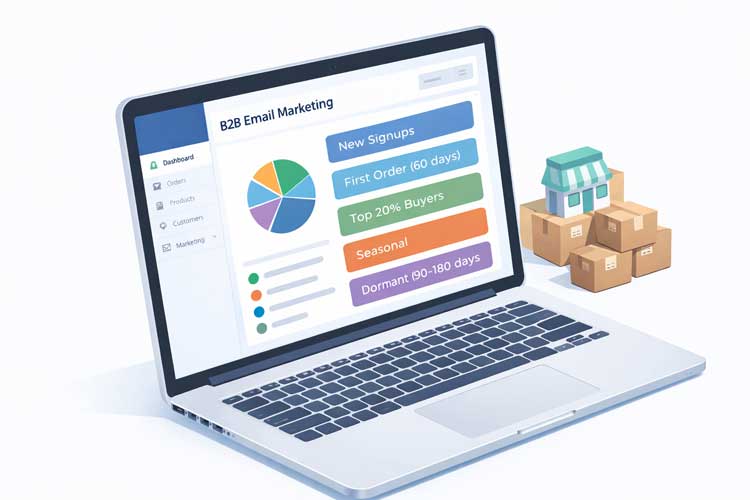
The most effective strategy starts with segmentation by lifecycle stage: leads, new customers, active customers, at-risk accounts, and dormant buyers. Adding dimensions like industry, region, order volume, product category, and margin profile makes messages far more relevant.
Practical segments to build:
- New wholesale registrations await approval
- First-order customers within the last 60 days
- High-value repeat buyers (top 20% by revenue)
- Seasonal buyers (e.g., holiday-heavy categories)
- Dormant accounts (no orders in 90–180 days)
- Price-sensitive vs. margin-conscious accounts
Well-planned, micro-segments consistently deliver higher engagement; personalized B2B campaigns can lift open rates by around 30–46% and CTR by 50%.
2. Build High-Impact Welcome and Onboarding Sequences
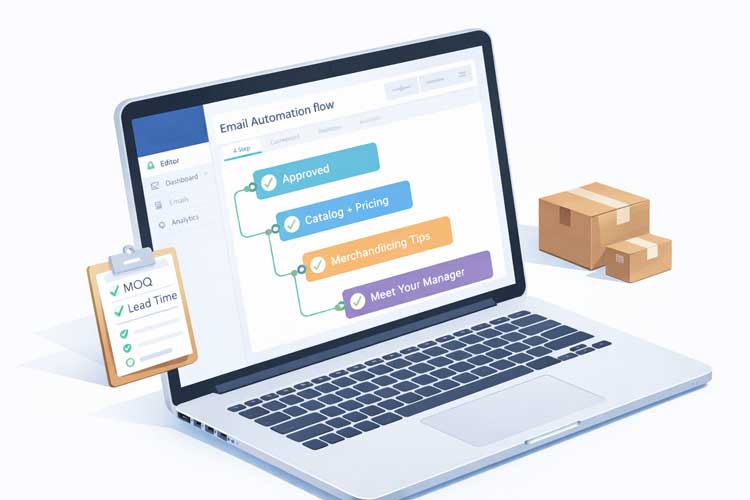
A structured onboarding sequence sets expectations and accelerates the first and second orders. New wholesale signups often need clarity on pricing, MOQs, timelines, and how to place orders, not just a generic “welcome” email.
If you run your store on WooCommerce, a wholesale plugin like Whols streamlines this: once a new wholesaler applies through your registration form and is approved, you can automatically trigger a welcome sequence that includes their approved role, pricing tier, and login credentials.
Example 4-email onboarding flow:
1. Account Approved & Next Steps: Confirm login details, wholesale terms, typical lead times, and minimum order quantities.
2. Catalog & Pricing Overview: Highlight best-selling SKUs, wholesale catalog, starter assortments, and their personalized pricing
3. Merchandising & Sell-Through Tips: Share how other retailers display and promote your products, plus ROI calculators
4. Personal Intro from Account Manager: Introduce a human contact and invite questions or sample requests
Businesses using automated welcome and nurture sequences see significantly higher repeat orders; some report 40% higher repeat order rates versus one-off emails.
3. Design Reorder and Replenishment Automation Flows
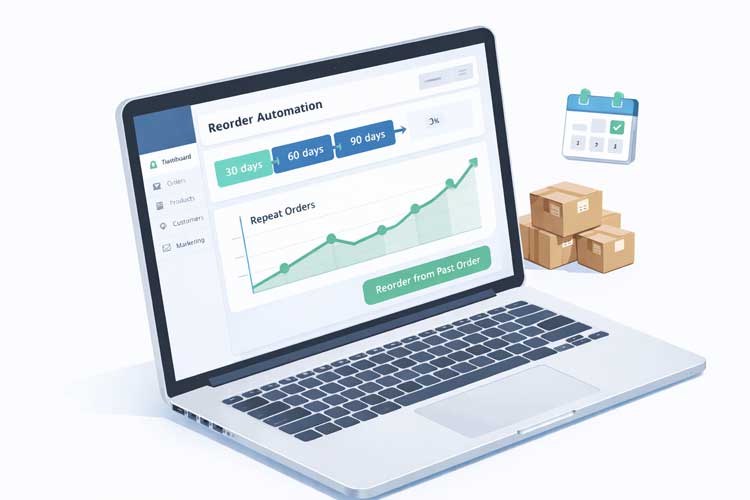
Wholesale revenue is driven by predictable reorders, so automated replenishment emails are essential. These flows trigger based on order history and typical consumption intervals rather than arbitrary dates.
Core reorder automation ideas:
- Time-based reminders tied to product recurrence (e.g., 30, 60, or 90 days after delivery)
- Low-stock prompts timed before peak seasons for specific categories
- Multi-step flows: initial reminder, follow-up with a small incentive, then escalation to sales outreach for top accounts
- “Save Order List” reminders encouraging wholesalers to reorder from previous purchases
Automated post-purchase and replenishment emails consistently outperform bulk campaigns; automated flows often achieve open rates above 40% and click rates above 5%.
4. Use Personalized Promotions Without Killing Margins

Wholesale email campaigns must protect margin while encouraging larger or more frequent orders. Instead of blanket discounts, build tiered incentives based on account type, order size, and product mix.
Promotion tactics that work for wholesalers:
- Tier-based pricing or extra discounts for Gold vs. Silver vs. Bronze accounts
- Volume-based bonuses (e.g., free case after a threshold) instead of straight percentage cuts
- Freight incentives like free or reduced shipping over certain order values
- Category-specific promotions for slow-moving or high-margin lines
- Buy-one-get-one offers triggered by cart conditions
Research on wholesale pricing shows carefully structured incentives support both conversion and long-term profitability, especially when aligned with minimum order quantities. Whols’ Dynamic Rules feature lets you create these condition-based discounts and fees automatically, triggered by cart total, product quantities, customer roles, or any combination.
5. Pair Email with Coordinated Sales and Retargeting
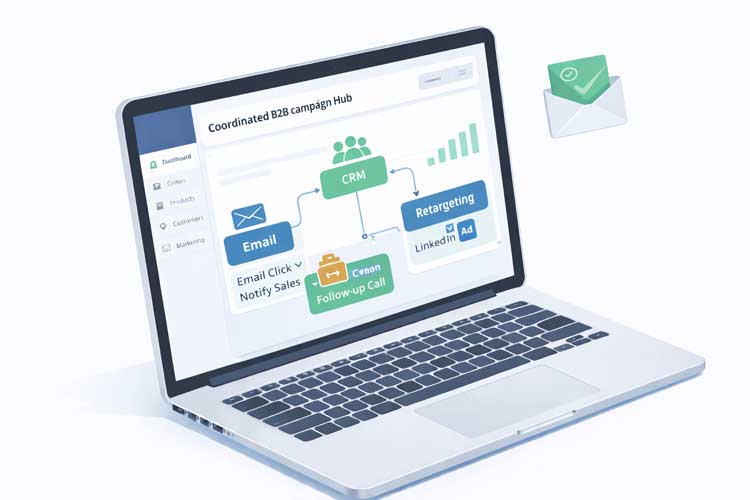
Email performs best when embedded in a broader B2B motion with sales and paid media. High-performing teams coordinate subject lines, offers, and timing across email, LinkedIn, and retargeting ads.
Cross-channel plays to implement:
- Trigger sales outreach when a retailer clicks key links (pricing, catalog, or “become a stockist”)
- Retarget email non-openers or high-intent visitors (catalog downloaders, quote page views) with LinkedIn or display ads
- Use email to promote webinars, virtual line showings, or trade promotions, then follow up on attendance with sales calls
- Integrated workflows where email engagement (click, reply) automatically notifies your account manager
Integrated account-based marketing (ABM) campaigns where email warms accounts and other channels reinforce the message show strong lifts in engagement and pipeline.
6. Create Content That Educates Retailers, Not Just Promotes
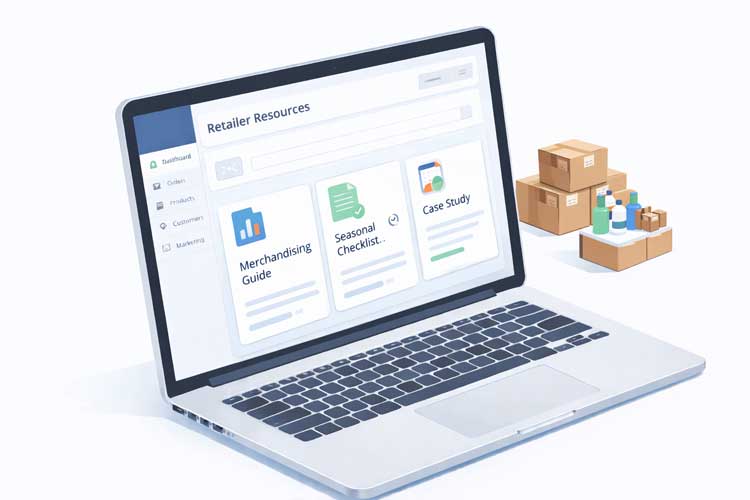
Retail buyers respond strongly to content that helps them sell more, not just “new product” announcements. Educational, problem-solving content differentiates your brand and can influence up to 71% of B2B buyers who consume multiple pieces of content before engaging sales.
High-value email content ideas:
- Merchandising guides and planograms for your products
- Seasonal sell-through checklists and reordering timelines
- Case studies from successful stockists in similar niches
- Benchmark data like average turn rates and profit margins by category
- Product launch calendars with suggested retail prices and marketing assets
Wholesalers who consistently send educational resources generate more qualified leads and better retention than those who only push promotions.
7. Optimize Deliverability, Compliance, and List Health
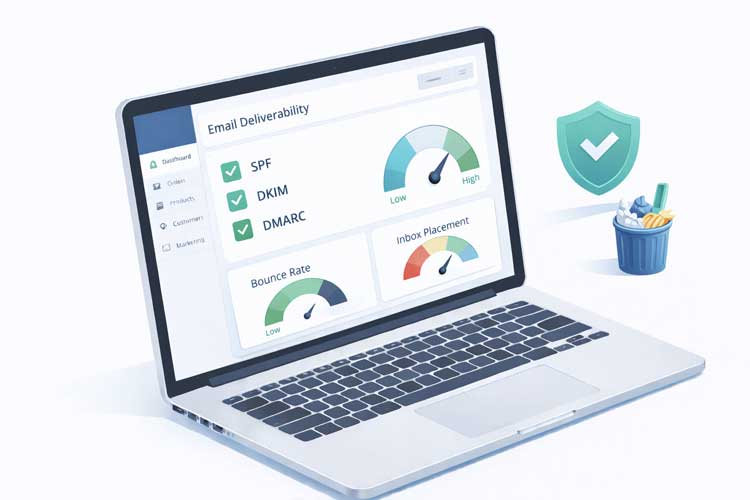
Strong deliverability and list hygiene ensure your best messages actually reach inboxes. B2B email benchmarks in 2025 often sit around 40% open rates and 2–4% click-through rates for well-targeted campaigns, which is much higher than generic blasts.
Key deliverability and compliance practices:
- Authenticate domains with SPF, DKIM, and DMARC; monitor spam and bounce rates regularly
- Use double opt-in or clear consent, and provide easy one-click unsubscribe options
- Clean lists by removing bounces and long-term inactives, especially role-based or catch-all addresses
- Test sends on mobile devices; ensure templates are responsive
Studies show segmented, well-maintained B2B lists deliver 30–50% higher engagement than non-segmented ones, while over-mailing unengaged contacts drives spam complaints.
8. Measure What Actually Matters for Wholesale Performance
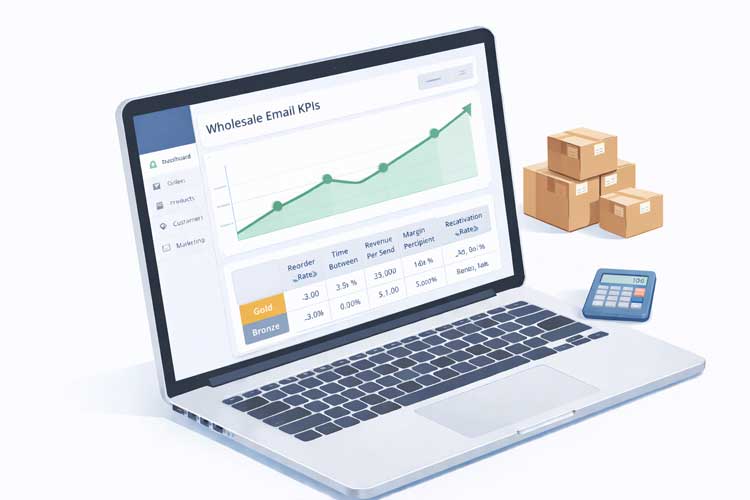
Success in B2B wholesale email marketing is measured in account-level outcomes, not just campaign-level engagement. Tracking the right KPIs informs better decisions about segments, offers, and automation.
Critical wholesale email metrics:
- Reorder rate and average time between purchases
- Revenue and margin per recipient or account
- Average order value influenced by email campaigns
- Reactivation rate for dormant accounts
- Engagement by segment (e.g., Gold vs. Silver vs. Bronze tiers)
- Cost per acquired repeat order
Many B2B marketers report email as their highest-revenue-yielding digital channel, and those who combine automation with careful KPI tracking achieve the largest ROI.
9. Leverage Tools That Fit Wholesale Workflows
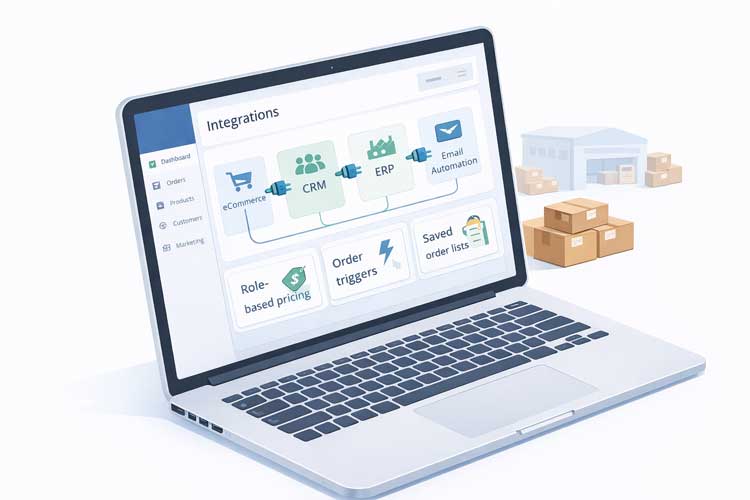
To scale these strategies, wholesalers need tools that plug into ecommerce platforms, CRMs, and B2B pricing systems. Integrations with WooCommerce, Shopify, or ERP software make it easier to trigger flows based on orders, products, and customer roles.
Look for tools that offer:
- Order- and product-based triggers for automations
- Segmentation by customer role, tier, and purchase history
- Support for multi-user B2B accounts and approvals
- Native or easy integration with wholesale plugins and your store
- Bulk order forms and saved order lists for faster reordering
- Invoice payment options and custom quote requests
For WooCommerce stores, combining a wholesale pricing plugin like Whols with email automation tools allows you to apply role-based pricing and send targeted sequences automatically. Whols provides detailed reports and analytics to track wholesale store performance, which you can use to refine your email segments and campaigns.
Common Mistakes and Advanced Tactics
Frequent Mistakes Wholesalers Make with Email
Many wholesalers still treat email like generic B2C newsletters, which leads to low relevance and poor revenue per send. Common pitfalls include:
- Blasting the same generic promotion to all retailers regardless of segment
- Over-relying on discounts, which trains buyers to wait for deals instead of ordering regularly
- Ignoring list hygiene and sending to inactive contacts, driving spam complaints
- Neglecting dormant accounts that could be reactivated with targeted sequences
- Failing to coordinate marketing with sales teams, creating friction and missed opportunities
These missteps leave money on the table and can even reduce overall profitability.
Advanced B2B Wholesale Email Tactics
Advanced B2B wholesale email strategies increasingly use data and personalization to stand out in crowded inboxes. For example, predictive models can flag at-risk accounts based on engagement and ordering patterns, triggering proactive retention flows.
High-leverage advanced tactics:
- Account-based sequences for key chains and distributors with tailored offers and messaging
- Interactive emails (polls, micro-surveys) to collect stocking preferences and content topics
- Dynamic content blocks that show different products, pricing, or case studies by segment
- AI-assisted personalization to enrich templates with company-specific context at scale
- Behavioral triggers based on click patterns, cart abandonment, and login frequency
Teams using segmentation and AI-powered personalization have reported significant gains, including double-digit lifts in click-through rates and up to 760% higher revenue from segmented campaigns compared to non-segmented sends.
Whols- WooCommerce Wholesale Plugin
Manage your WooCommerce online store with more ease and efficiency with this feature-rich plugin.
Frequently Asked Questions
What is B2B wholesale email marketing?
B2B wholesale email marketing uses targeted, automated email campaigns to attract retailers, onboard them, and drive repeat wholesale orders over time through segmentation and personalization.
How often should wholesalers email retailers?
Most wholesalers email active retailers one to four times per month, sending more to highly engaged segments and less to low-engagement or seasonal buyers.
Which metrics matter most for wholesale email?
Focus on reorder rate, revenue and margin per account, average order value, and time between purchases, rather than just opens and clicks.
What email automations should wholesalers set up first?
Start with a welcome sequence, reorder and replenishment reminders, win-back flows for dormant accounts, and simple post-purchase follow-ups.
How can wholesalers avoid spamming buyers?
Use segmentation, clear preferences, and value-driven educational content while cleaning inactive contacts and respecting frequency and compliance rules.
Conclusion
A well-built B2B wholesale email marketing strategy can become your most reliable engine for reorders, higher account value, and retailer loyalty. The keys are segmentation by lifecycle, smart automations that match wholesale rhythms, educational content that helps retailers succeed, and cross-channel coordination with sales teams.
Start by tightening segmentation, launching a few core automations (welcome sequence, reorder reminders, win-back flows), and aligning email with your wholesale portal and sales process.
If you run your store on WordPress and WooCommerce, pairing these email strategies with a dedicated wholesale pricing plugin like Whols lets you manage role-based pricing, approvals, and insights in one unified platform. Then, refine based on data each quarter, testing new segments, offers, and content angles to continuously improve your reorder rate and margin per send.
The wholesalers winning in 2025 are those treating email as a strategic pillar not a promotional afterthought and building the infrastructure to sustain long-term, profitable retailer relationships at scale.